
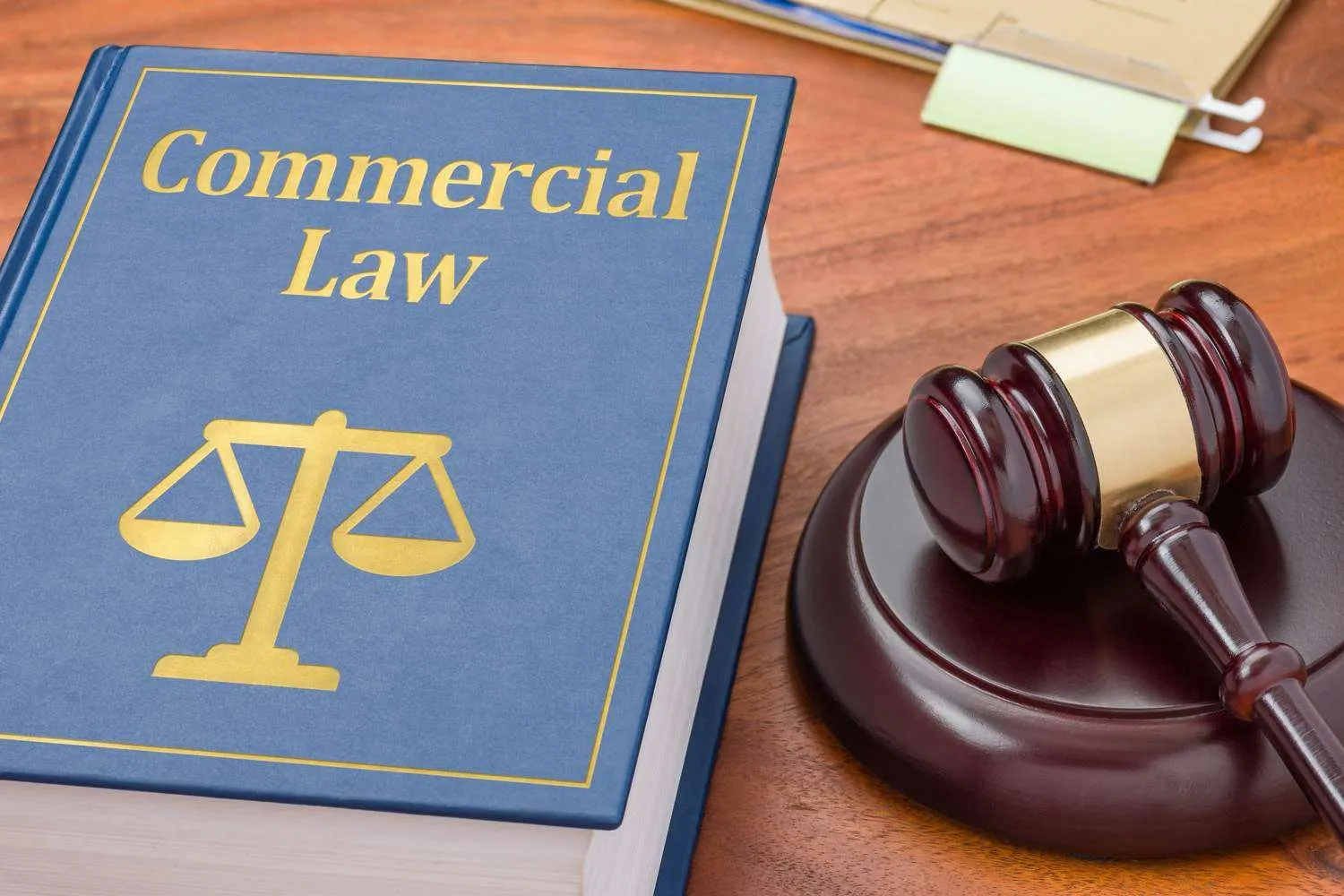
The Most Common Commercial Law Issues Businesses Face and How to Overcome Them
In today’s dynamic business environment, understanding commercial law is crucial for every business owner. From startups to established corporations, the legal framework governing commercial transactions can significantly impact a company’s operations. This article explores common commercial law issues, their implications, and effective strategies to navigate them.
Understanding Commercial Law
Commercial law refers to the body of law that governs business and commercial transactions. It encompasses various legal disciplines, including contract law, intellectual property law, and employment law, all of which play vital roles in the functioning of a business.
The Role of Commercial Law in Business
The primary role of commercial lawyer is to create a legal foundation for business interactions. It provides guidelines for transactions, helps maintain order in the marketplace, and protects the rights of businesses and consumers alike. By establishing clear rules, commercial law aims to foster fair competition and protect stakeholders.
Moreover, commercial law mediates disputes that may arise between parties, ensuring that resolutions adhere to agreed-upon contractual terms. A robust legal framework encourages trust among business partners and consumers, which is essential for sustaining commercial relationships. This trust is particularly important in an increasingly globalized economy, where businesses often engage in cross-border transactions, necessitating a clear understanding of diverse legal systems and regulations.
In addition to facilitating transactions, commercial law also plays a crucial role in the regulation of business practices. For instance, laws concerning consumer protection ensure that businesses do not engage in deceptive practices, thereby safeguarding consumers from fraud. This regulatory aspect of commercial law not only protects individual consumers but also enhances the overall integrity of the market, promoting a level playing field for all businesses involved.
Key Principles of Commercial Law
Several key principles underpin commercial law, including fairness, transparency, and accountability. Businesses must operate in good faith, ensuring that their dealings are transparent and based on mutual understanding.
Additionally, accountability plays a crucial role in commercial transactions. Parties involved must uphold their obligations and abide by legal regulations to foster a trustworthy business environment. Understanding these principles is critical for minimizing risks and ensuring compliance. Furthermore, the principle of good faith extends beyond mere legal obligations; it encompasses ethical considerations that guide businesses in their interactions, promoting a culture of respect and cooperation.
Another important aspect of commercial law is the protection of intellectual property rights, which encourages innovation and creativity within the business sector. By safeguarding inventions, trademarks, and proprietary information, commercial law incentivizes businesses to invest in research and development. This not only benefits individual companies but also contributes to economic growth and technological advancement on a broader scale. As businesses navigate the complexities of commercial law, they must remain vigilant in protecting their intellectual assets while respecting the rights of others, creating a balanced environment for competition and collaboration.
Identifying Common Commercial Law Issues
Despite the established framework and principles, businesses often encounter various commercial law issues that can threaten their stability. Identifying these issues proactively is essential for mitigating risks and ensuring smooth operations.
Contractual Disputes and How to Resolve Them
Contractual disputes are among the most prevalent legal challenges faced by businesses. Such disputes often arise due to misunderstandings, non-performance, or lack of clarity in the contract terms. These conflicts can lead to costly litigation and damage relationships between parties.
To resolve contractual disputes effectively, businesses should first attempt negotiation or mediation to reach a mutual agreement. If these methods fail, seeking legal recourse through arbitration or litigation may be necessary. It is important for businesses to document all interactions clearly and to ensure their contracts contain well-defined terms to minimize the risk of disputes. Additionally, incorporating dispute resolution clauses into contracts can provide a roadmap for resolving issues before they escalate, allowing for a more streamlined approach to conflict management.
Intellectual Property Rights Infringement
As businesses innovate and develop unique products or services, intellectual property (IP) rights infringement becomes a pressing concern. This issue entails unauthorized use, reproduction, or distribution of a company’s intellectual property and can severely impact competitiveness.
Protecting intellectual property requires businesses to understand their rights and actively monitor the market for potential infringements. Legal measures such as trademark registration, copyrights, and patents can safeguard a company’s innovations. Additionally, taking prompt action against infringers is crucial to maintaining the integrity of one’s intellectual assets. Establishing a robust IP strategy, including regular audits of existing assets and training employees on IP awareness, can further bolster a company’s defenses against infringement and enhance its overall market position.
Employment Law Challenges
Employment law presents another common hurdle for businesses. Issues can range from employee misclassification to wage disputes, workplace discrimination, and compliance with labor regulations. Navigating these laws can be complex, particularly for small businesses with limited resources.
Proactively addressing employment law challenges involves establishing clear policies, conducting regular training, and ensuring compliance with relevant laws and regulations. Consulting with employment law attorneys can help organizations develop a sound strategy to protect themselves from potential claims and foster a healthy workplace environment. Furthermore, implementing an employee feedback mechanism can help identify potential issues before they escalate, promoting a culture of openness and accountability within the organization.
Issues with Business Structure and Governance
Choosing an appropriate business structure, whether a sole proprietorship, partnership, or corporation, is vital for compliance with commercial law. The structure affects liability, taxation, and management practices, and can create significant legal exposure if not handled correctly.
Additionally, governance issues can arise within a business, particularly regarding decision-making processes and board responsibilities. It is essential for businesses to adopt clear governance policies and seek legal advice when establishing their structures to avoid disputes and ensure regulatory compliance. Regularly reviewing and updating governance documents, along with conducting board evaluations, can help ensure that the organization remains aligned with its goals and adheres to best practices in corporate governance, ultimately fostering trust among stakeholders and enhancing the company’s reputation in the marketplace.

Overcoming Commercial Law Issues
While commercial law issues may seem daunting, businesses can take proactive steps to minimize risks and navigate challenges effectively.
Proactive Legal Planning and Strategy
Developing a proactive legal strategy involves identifying potential legal issues before they become problematic. This includes regular reviews of contracts, compliance with regulations, and monitoring of legal developments that may affect the industry. Learn more about what is a class action lawsuit? a step-by-step guide to understanding this legal process.
Businesses should also integrate risk management into their operational framework. Regular training sessions for employees regarding compliance and legal standards can foster a culture of awareness, reducing the likelihood of legal complications. Additionally, creating a centralized repository for all legal documents and contracts can streamline access and ensure that all team members are aware of their obligations and rights. This proactive approach not only mitigates risks but also enhances overall operational efficiency.
Engaging a Commercial Law Attorney
Consulting a commercial law attorney is a critical step in overcoming legal challenges. An experienced attorney can provide tailored guidance on compliance, contracts, and dispute resolution strategies.
Having legal counsel can also facilitate negotiations and ensure that all business practices align with current laws. This partnership is invaluable in managing risks and promoting a legal framework that supports sustainable growth. Furthermore, attorneys can assist in drafting clear and concise contracts that minimize ambiguity, thereby reducing the potential for disputes. Their expertise can also prove essential in navigating complex regulatory environments, ensuring that businesses remain compliant and avoid costly penalties.
Training and Education for Business Leaders
Ensuring that business leaders are educated about commercial law is essential for effective governance. Training programs can equip leaders with the knowledge to identify legal issues early and make informed decisions.
Furthermore, continuous education on changing laws and regulations will empower businesses to adapt their strategies accordingly. Investing in legal knowledge fosters resilience against potential challenges and strengthens overall business operations. Workshops and seminars led by legal experts can also provide networking opportunities, allowing leaders to share insights and best practices with peers. This collaborative approach not only enhances individual understanding but also contributes to a broader culture of compliance and ethical business practices within the organization.
The Impact of Not Addressing Commercial Law Issues
Failing to address commercial law issues can have serious consequences for businesses. Understanding these risks is critical for reinforcing the importance of proactive legal strategies.
Financial Consequences of Legal Non-Compliance
The financial implications of legal non-compliance can be severe, leading to penalties, fines, and costly litigation. Businesses may face significant legal expenses that can drain resources and hinder growth.
Moreover, financial losses can also occur from disrupted operations and damaged contracts. Complying with commercial laws helps protect businesses from these negative outcomes and promotes long-term sustainability. For instance, a company that neglects to adhere to labor laws may find itself embroiled in lawsuits from employees, resulting not only in direct financial costs but also in lost productivity as management diverts attention to legal battles instead of focusing on core business activities. Additionally, the unpredictability of legal disputes can deter potential investors, who may view non-compliance as a red flag, further stunting growth opportunities.

Reputational Damage and Loss of Trust
In addition to financial consequences, reputational damage can significantly impact a business’s success. Non-compliance with laws may lead to public scrutiny, which can erode customer trust and brand loyalty.
A company’s reputation is one of its most valuable assets. Failing to address legal issues can result in loss of clients and market share, underscoring the necessity of maintaining a robust legal standing. Furthermore, in today’s digital age, negative news spreads rapidly through social media and online platforms, amplifying the impact of any legal missteps. A single incident of non-compliance can lead to a cascade of negative reviews and public backlash, making it increasingly difficult for businesses to recover their standing in the market. This loss of trust can also extend to partnerships and collaborations, as other businesses may hesitate to associate with a company that has a tarnished reputation, thereby limiting opportunities for growth and innovation.
Moreover, the long-term effects of reputational damage can linger, as customers and partners may take years to regain confidence in a brand that has faltered in its legal obligations. In this context, it becomes evident that a proactive approach to commercial law is not merely a matter of compliance; it is a crucial component of a business’s overall strategy for success and resilience in a competitive marketplace.